Child and adolescents
Dealing with teenagers after traumatic events
Examples of traumatic event
Car accidents, exposure to violence and natural disasters such as storms and floods or hearing painful news like loss of a loved one or having serious illness are considered traumatic events.
It is true that all of us, old or young, of different ages can be affected by such events, but it is also important to know that most children and adolescents have psychological resilience and the ability to recover.
Adolescents may still not have the skills to regulate their emotions and behaviors. Their behaviors may become more aggressive or they may tend to be withdrawn. They may express sadness or anger, or even they may not show any feelings, so we think that they don't care or not interested
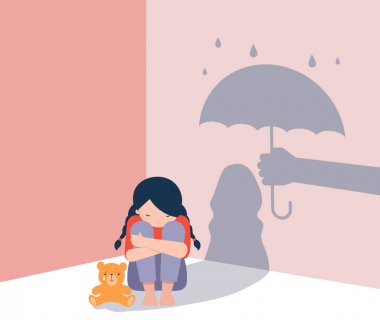
But there are some alarming signs and symptoms Sleep problems and nightmares, Impairment of academic performance and absenteeism, High-risk behaviors like substance use or driving at high speeds, Problems with peers, Changes in usual routine, Psychosomatic complaints like stomachaches and headaches, Depression or suicidal thoughts are alarming signs which need psychiatrist consultation, especially parents are also going through the same traumatic event that their siblings are going through, so they could need help too
How can we support our siblings through traumatic events?
1. Show him that you are available and can hear him at any time, but do not pressure him if he is still not ready to talk.
Do not pressure your son to think or talk about what happened if he is still not ready for this. It is true that teenagers need honest and real answers that are appropriate to their age, but at the same time, it is not helpful to give them information more than what they ask for or what they need.
2. Talk to him about what happened or what is happening, but in acceptable doses.
It is wise to respect the son's need to end the discussion and his desire if he does not want to talk more about the trauma for a while. He may ask you or you can ask him to talk again at another time.
3. Do not underestimate your son's ability to understand the situation and don't expect to understand beyond his age.
He is not a child anymore so he has the right to understand things clearly and honestly, but he is still not mature enough to expect from him to behave as an adult.
4. Sometimes it's easier for teens to talk in a small group of peers than to just be with themselves.
After disasters and crises, teens can play a major role in helping others to recover, as well as helping younger children.
It is important to identify and support adolescents' positive social activities, this also reduces the likelihood of high-risk behaviors.
5. Maintain a regular routine.
Sometimes after going through a difficult situation, it can lead to a big mess in our lives, and our daily routine becomes messy as we try to adapt to the new circumstances. Maintaining your regular routine as much as possible, or creating a new one, can provide a sense of stability during difficult times.
Some tips to help your teen maintain a routine:
- • Establish a schedule for sleeping and waking up and for regular meals.
- • If possible, encourage your teen to continue going to school.
- • Add self-care activities to your schedule and take breaks.
6. What does self-care mean?
"Self-care" is just a name for anything you enjoy doing and helps you to maintain your physical, mental or emotional health.
When you focus on dealing with a disaster or a difficult event, you may feel that you don't have enough time for thinking about yourself or that it is a kind of selfishness. Whereas, taking some time to overcome is important to both you and your teen because it will improve your mental health and help you deal with difficult times better.
Also, when your teen sees that you are taking steps to actively take care of yourself, this could encourage him to do this with himself too.
- Some exercises such as walking, running, cycling or swimming
- Listen to music, watch a TV show, or read a book
- Spending time with a friend or talking to him on the phone
- Doing something creative, like writing or drawing